Posted on 2024-12-05
Why Is My Toilet Running Constantly? (And How to Fix It)
A running toilet wastes hundreds of litres of water per day and drives up your bill. Here's what's causing it and how to fix it.
Why toilets run constantly
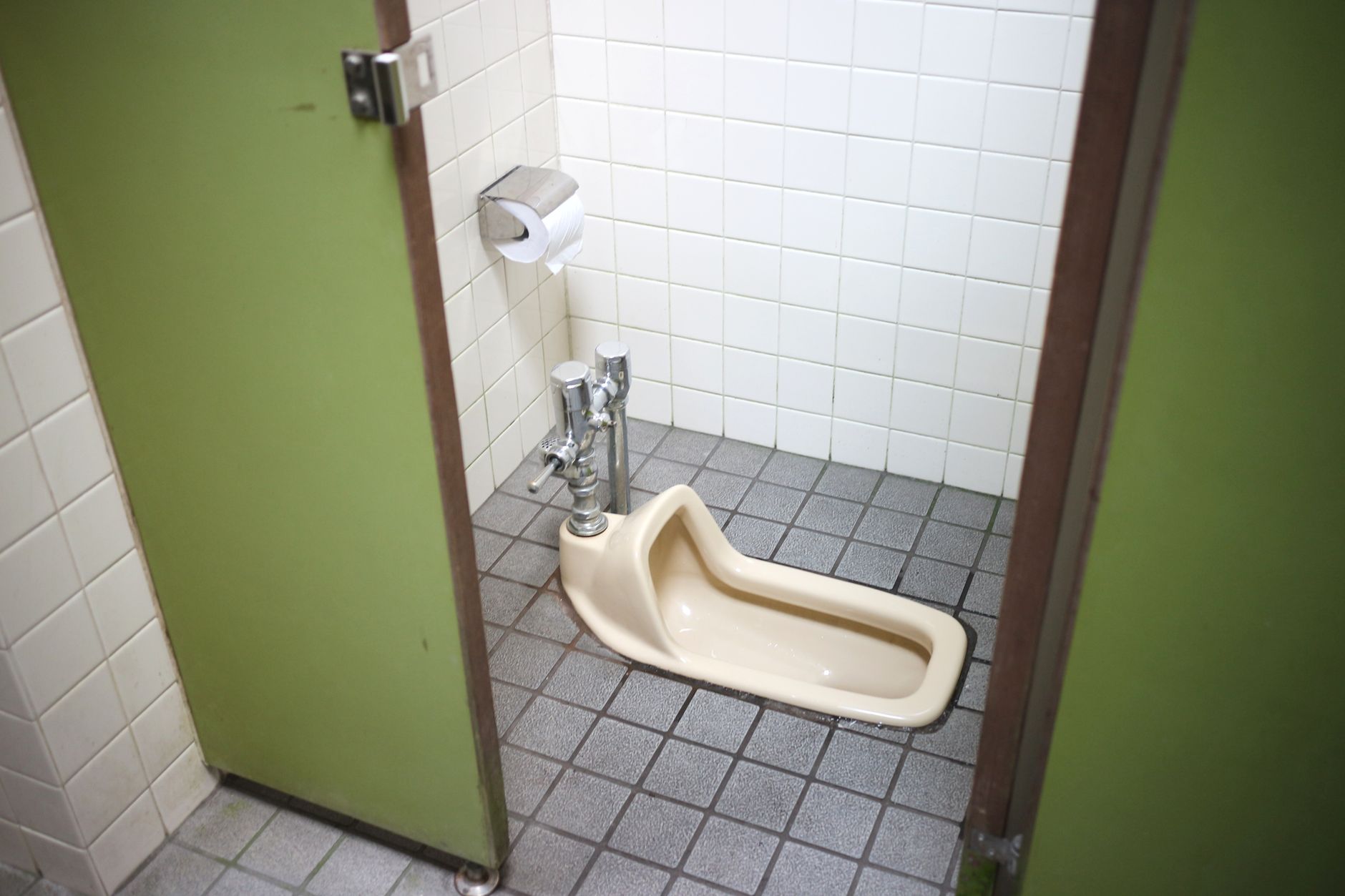
A constantly running toilet wastes 200-400 litres of water per day. That's £20-40 added to your water bill every month. The cause is almost always either a faulty fill valve that won't shut off, or a flush valve washer that's leaking water from the cistern into the bowl.
In Hull's older terraced houses, we see this problem frequently because the toilet cisterns are 20-40 years old with original parts that have worn out. The rubber washers perish, the float mechanism seizes, or limescale builds up and stops valves seating properly.
Modern dual-flush toilets also suffer from this. The flush mechanism is more complex with cables and buttons that can fail. When the flush button sticks or the cable detaches, water keeps running into the bowl continuously.
Dual-flush systems fail more often than traditional single flush because they have more moving parts. The flush buttons stick, the cables detach, or the dual-valve mechanism inside the cistern wears out. When that happens, water can constantly trickle into the bowl. We carry replacement mechanisms for all major brands: Dudley, Fluidmaster, Thomas Dudley, Geberit. Takes about 40 minutes to fit a new one. The constant water flow also increases humidity in the bathroom, which can lead to mould growth on walls, ceilings, and grout over time if ventilation isn't adequate.
How to diagnose the problem yourself
Lift the cistern lid and look inside while the toilet is running. If water is flowing in from the fill valve at the side, that's your problem. The float should rise with the water level and shut off the valve. If it's not shutting off, either the float is stuck, the valve is faulty, or the water level is set too high.
If water isn't coming in but the water level is below the overflow pipe, then water is leaking through the flush valve at the bottom. You'll see a constant trickle of water going into the bowl. That means the flush valve washer has perished or the valve isn't seating properly.
Check if water is dripping from the overflow pipe outside your house. If it is, the cistern is definitely overfilling. That's a fill valve problem, not a flush valve problem.
Another test: add food colouring to the cistern water. Wait 15 minutes without flushing. If coloured water appears in the bowl, the flush valve is leaking. That confirms it's not a fill valve problem, it's the flush valve washer that needs replacing. Simple test that costs 50p in food colouring and saves you from replacing the wrong part.
Quick fixes you can try

If the float is stuck, try lifting it manually. Sometimes they stick on the guide rail or the arm seizes. Gentle manipulation can free them. If that fixes it, the float mechanism needs replacing properly but you've bought yourself some time.
If the water level is too high, bend the float arm downward slightly to lower the shutoff point. This works on older ball-float mechanisms. For modern internal floats, there's usually an adjustment screw on the fill valve. Turn it to lower the water level so it shuts off before reaching the overflow.
If the flush valve is leaking, you can try cleaning the valve seat. Turn off the water supply, flush to empty the cistern, remove the flush valve (usually twists off), and clean any debris or limescale from the rubber washer and the seat. Reassemble and turn the water back on.
These are temporary fixes. If parts are worn, they need replacing. We can do that in 30-45 minutes for £80-£130 depending on which parts need changing.
For flush valve leaks, you can try tightening the valve body by turning it clockwise where it screws into the cistern base. Sometimes they work loose over years of vibration from flushing. A quarter turn tighter can stop the leak. But if the washer is perished, tightening won't help. You'll need a new washer or a whole new valve unit depending on the design.
When to call a plumber for a running toilet
If simple adjustments don't work, call a plumber. Constantly running water causes long-term damage beyond just wasting water. The cistern internals get waterlogged and corrode faster. The toilet bowl gets limescale staining from the constant flow. The overflow pipe can leak into your walls if it's blocked or badly fitted.
We fix running toilets across Hull every day. It's a quick job, usually under an hour. We replace the faulty valve, test it, and make sure it's shutting off properly. You'll save money within a couple of months from the reduced water bill.
If your toilet is very old, it might be worth replacing the whole cistern mechanism while we're there. New mechanisms cost £40-60 in parts and will last another 15-20 years. It's more cost-effective than repeatedly repairing old worn-out parts.
If your house is empty for weeks, like a holiday home or rental between tenants, turn off the water at the stopcock. This prevents constantly running toilets wasting water while nobody's there to notice. We've attended properties where toilets have been running for weeks, adding hundreds to water bills unnecessarily.
How much water does a running toilet waste
A toilet with a small leak wastes about 200 litres per day. That's 6,000 litres per month or 73,000 litres per year. On Hull's metered water rates, that's approximately £300-350 per year in wasted water. For a problem that costs £100 to fix.
Toilets with a badly leaking flush valve can waste 400+ litres per day. That's 12,000 litres per month. We've seen customers' water bills double because of a running toilet they ignored for months.
Beyond the financial cost, it's environmentally wasteful. Yorkshire Water has to treat all that water, pump it to your house, and then treat it again as sewage. A running toilet is an easily fixable waste of resources.
Beyond wasted water, constantly running toilets cause other damage. The overflow pipe outlet can deteriorate from constant water flow, eventually leaking into walls or causing damp. The internal cistern components corrode faster from being permanently submerged. The toilet bowl gets permanent limescale staining from the constant trickle that's harder to remove than regular use marks.
Preventing toilet problems in Hull homes
Check your toilet cistern internals once a year. Lift the lid, flush, and watch how everything operates. Look for signs of wear like cracks in plastic parts, perished rubber washers, or corroded metal linkages. If you spot problems early, you can fix them before they cause bigger issues.
Don't put toilet rim blocks or in-cistern cleaning tablets in your toilet. The chemicals corrode rubber washers and plastic parts, causing premature failure. Clean your toilet with standard cleaners instead.
If you live in an area with hard water (most of Hull qualifies), consider a water softener or at least descale your cistern every couple of years. Limescale buildup stops valves seating properly and causes leaks.
Replace cistern parts every 10-15 years even if they seem fine. Rubber washers perish with age, plastic becomes brittle, and springs weaken. Preventive replacement is cheaper than emergency callouts when things fail at inconvenient times.
If you're buying a house in Hull, check the toilets during your viewing. Lift the cistern lid and look at the components. If they're heavily corroded, covered in limescale, or visibly worn, budget £100-150 per toilet for mechanism replacement. It's a negotiation point if multiple toilets need work. Sellers might agree to fix them before completion or reduce the price to cover it.
Replacing vs repairing toilet cistern parts
For toilets under 10 years old, repairing individual components is usually worthwhile. Replacement fill valves cost £15-25, flush valve washers are £5-10, and dual flush mechanisms are £30-50. Add labour and you're looking at £80-£130 for most repairs. That's cheaper than a new toilet.
For toilets over 15 years old, consider replacing the entire cistern mechanism as a single unit. Complete mechanism kits cost £40-70 and include fill valve, flush valve, and all connecting parts. Takes about an hour to fit. You get brand new parts with a warranty, and you won't be calling us back in 6 months when something else fails.
If your toilet is 20+ years old and multiple parts are failing, replace the whole toilet. Modern toilets are more water-efficient (4/6 litre dual flush vs 9-13 litres for old single flush), more reliable, and actually cheaper to buy than repeatedly repairing an old one. A budget toilet costs £80-120, decent quality £150-250.
Close-coupled toilets (cistern sits directly on the back of the pan) are cheaper to buy and easier to install than back-to-wall or wall-hung toilets. If you're on a budget, stick with close-coupled. It's the most common type in Hull homes and plumbers can fit them quickly without complications.
Some modern smart toilets have sensors that detect continuous running and alert you via an app. They cost £200-500 more than standard toilets, but for landlords with multiple properties or people who are away from home frequently, they can prevent thousands in wasted water and damage. The sensor detects abnormal water flow and sends a notification within minutes. You can then arrange for someone to check the property before minor leaks become major problems. <h2>Related Services</h2><ul><li><a href="https://hullplumbers.co.uk/emergency-plumbing.html">Emergency Plumber</a></li><li><a href="https://hullplumbers.co.uk/blocked-drains.html">Blocked Drains</a></li><li><a href="https://hullplumbers.co.uk/tap-toilet-repairs.html">Tap & Toilet Repairs</a></li></ul>